
English
- English
- 简体中文
- عربي
- Русский язык
- Français
- 日本語

Unlocking Industry Secrets: Power Bank Testing Knowledge Every User Should Know
2025-03-06 16:25:04
Click:
“
In an era where power banks (also known as portable chargers) have become indispensable, ensuring their quality and safety is paramount.
”
In an era where power banks (also known as portable chargers) have become indispensable, ensuring their quality and safety is paramount. While traditional companies adhere to established international and regional standards, Besiter’s state-of-the-art quality laboratory goes further — integrating a suite of additional tests to guarantee product performance under even the most extreme conditions. This blog post examines the key differences between conventional testing methods and Besiter’s enhanced approach, highlighting how these extra measures set a new industry benchmark.
Traditional Power Bank Testing
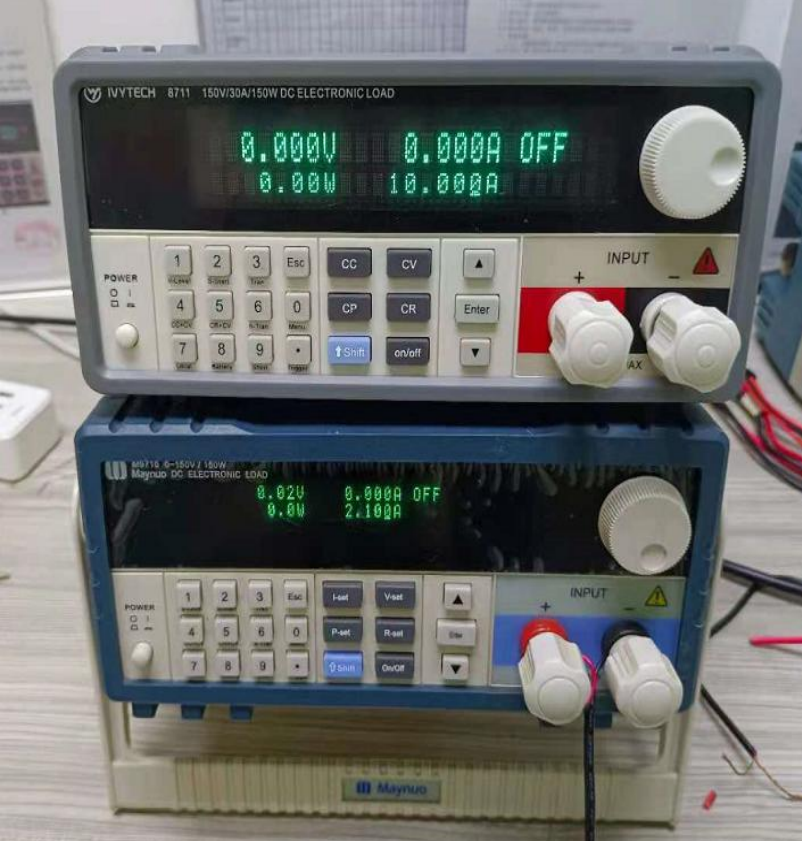
Most companies rely on a set of standard tests to certify that their power banks meet basic safety and performance requirements:
Electrical Safety Testing:
Hi-Pot Testing: Verifies insulation integrity and prevents leakage currents.
Overcurrent/Overvoltage Protection: Ensures the device can handle electrical surges without risk.
Standards Referenced: UL 2056 and IEC 60950–1.
Battery Safety Testing:
Overcharge, Over-discharge, and Short Circuit Tests: Ensure the battery management system (BMS) functions correctly.
Thermal Runaway Testing: Prevents overheating or potential fire hazards.
Standard Referenced: UN38.3, critical for transportation safety.
Performance Testing:
Capacity Verification: Checks that the advertised milliamp-hour (mAh) rating is accurate.
Charge/Discharge Efficiency: Measures energy conversion rates and thermal dissipation through multiple cycles.
Certification and Compliance:
EMC Testing: Conforming to FCC Part 15 to avoid interference with other devices.
Regional Certifications: Compliance with RoHS, UL, and other local regulations.
While these tests provide a basic assurance of safety and functionality, they often fall short of simulating extreme real-world conditions.
Besiter’s Enhanced Testing Capabilities
Besiter’s laboratory not only covers all traditional assessments but also implements additional tests designed to simulate a variety of extreme scenarios. This expanded approach ensures superior reliability and durability, setting Besiter apart from the competition:
Electrical Testing Room:
Performs in-depth evaluations of electrical parameters, such as voltage and current stability, using advanced instruments like multi-channel temperature testers and short-circuit testing machines.
Key/Pressure Testing Room:
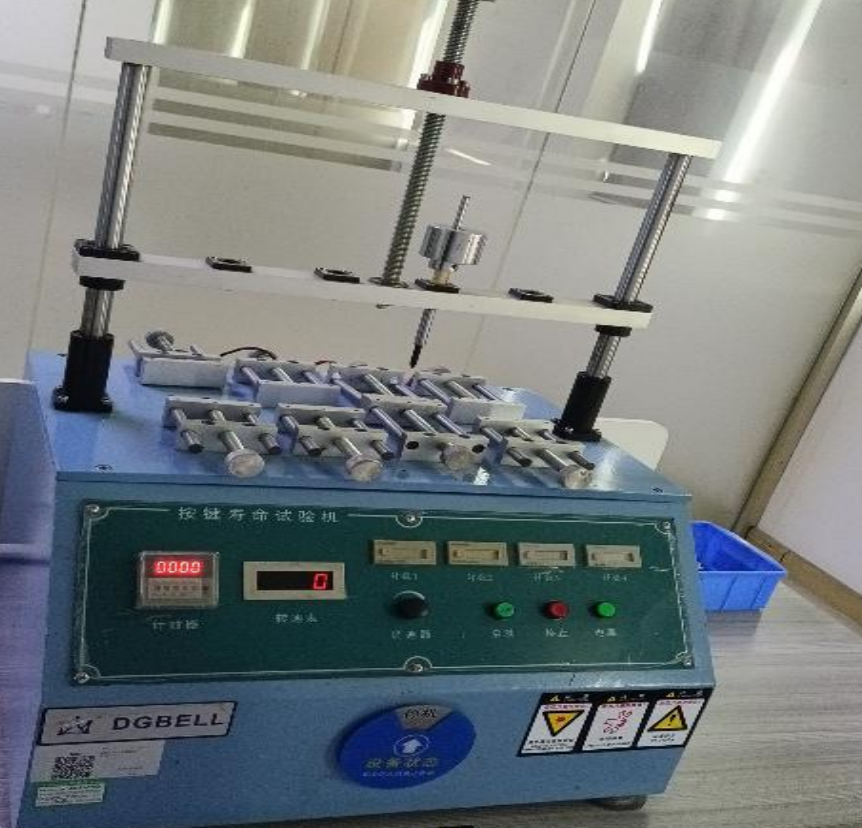
Conducts rigorous life cycle tests for physical buttons based on the GB4706.1 standard.
Implements high-voltage endurance tests to ensure safety under pressure.
Paper/Alcohol Wear Testing Room:
Although primarily used for packaging or component durability, these tests ensure that all materials maintain their integrity under repeated stress.
Constant Temperature & Humidity / UV Aging Testing Room:
Subjects power banks to high and low temperature, high-humidity, and constant environmental conditions as outlined in the GB2423 series and GB31241–2014.
UV exposure tests (per GB/T16422.3–1994 and ISO4892–3:1994) validate the long-term durability and anti-aging properties of external casings.
Cold/Hot Shock & High Altitude Low Pressure Testing Room:
Simulates rapid temperature fluctuations using cold/hot shock tests aligned with IEC60068 standards.
High altitude and low pressure tests ensure reliable performance in extreme environments, such as mountainous regions.
Additional Tests That Exceed Industry Norms
Besiter goes beyond the basics by integrating tests that many traditional companies overlook:
Environmental Robustness:
Vibration Testing: Simulates transportation impacts using vertical and horizontal vibration tables.
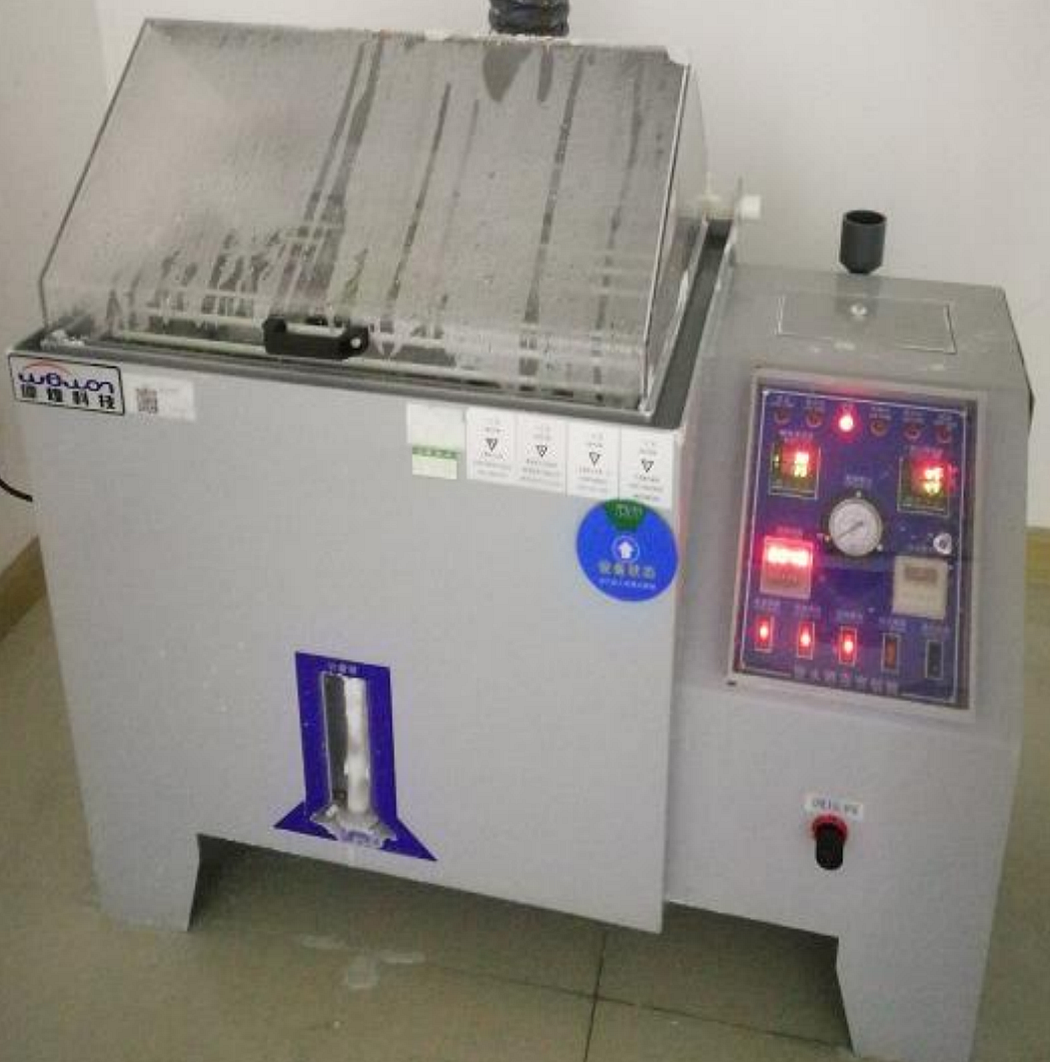
Salt Spray Testing: Enhances corrosion resistance for devices used in humid or coastal areas.
Mechanical Durability:
Connector & Interface Stress Tests: Extended USB lifespan and cable bending tests guarantee that repeated use won’t degrade connectivity.
Appearance and Material Integrity: Utilizing color difference measurements and anti-aging tests to maintain an appealing, durable exterior.
Comparing Industry Standards with Besiter’s Approach
While traditional testing meets the minimum requirements of standards such as UL 2056, FCC Part 15, and UN38.3, Besiter’s laboratory is CNAS certified and adopts rigorous standards like GB/T35590–2017 and GB31241–2014. This holistic testing strategy ensures that products are not only safe under normal conditions but also robust against environmental and mechanical challenges that occur during long-term use.
Conclusion
Besiter’s advanced quality testing for power banks represents a significant evolution in product safety and reliability. By integrating additional environmental, mechanical, and durability tests, Besiter ensures that its power banks deliver exceptional performance — even under extreme conditions. This comprehensive approach not only meets but surpasses industry standards, providing consumers with a level of confidence and quality that traditional testing methods simply cannot match.









Bus
Shenzhen Besiter Power Bank Co. , Ltd. 2008
 Besiter
 Email
Email

